


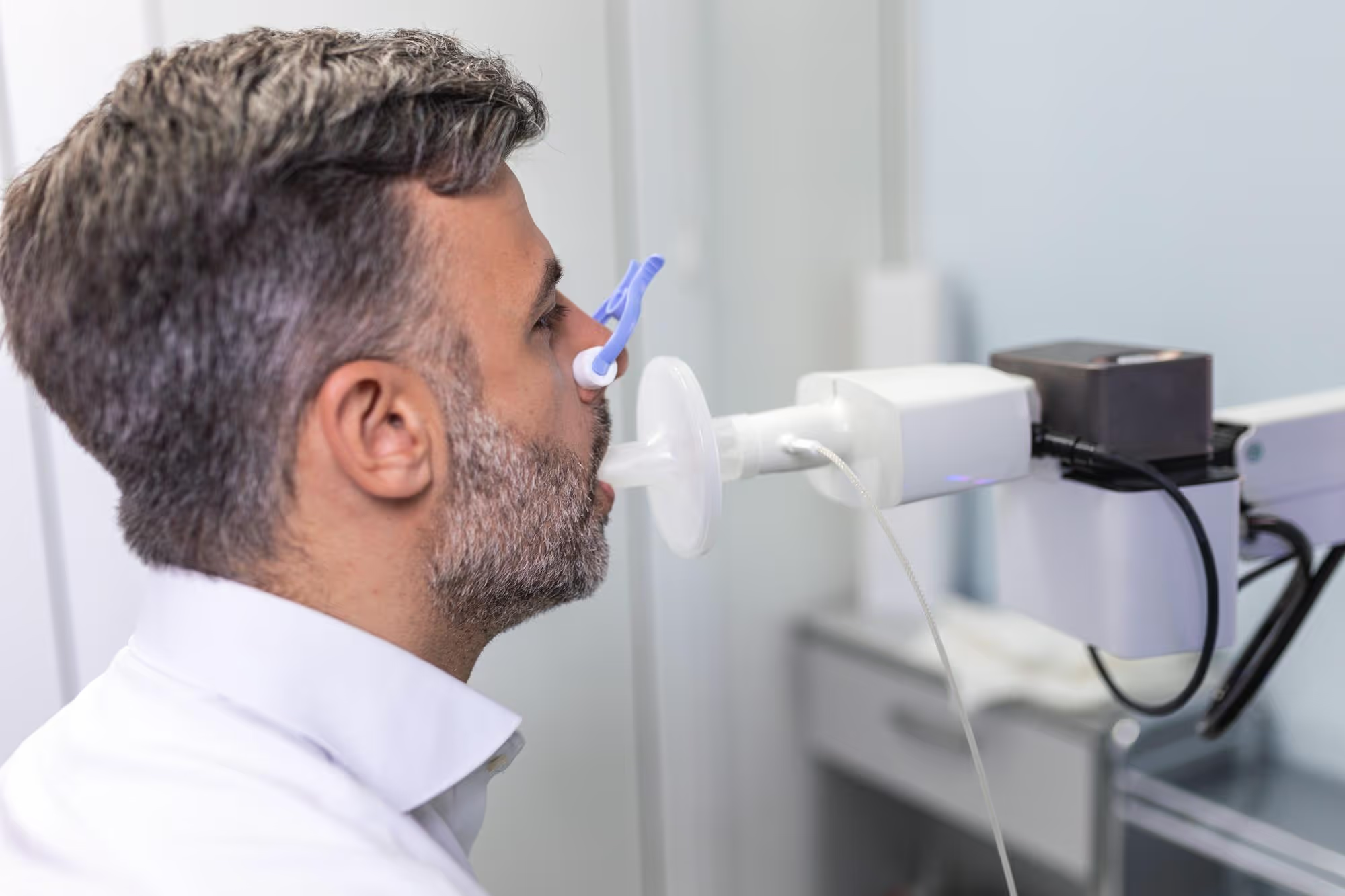
The study of breath composition has evolved into a dynamic field, leveraging advancements in technology to uncover valuable insights into human health. Among the diverse array of components present in exhaled breath, oxygen measurements stand out as a crucial parameter in breath analysis, offering significant implications for diagnostic and health monitoring purposes.
The Role of Oxygen in the Human Body
Oxygen, a fundamental component of the air we breathe, plays a pivotal role in cellular metabolism and energy production within the human body. In breath analysis, monitoring oxygen levels provides essential information about the physiological processes and metabolic activities occurring within an individual.
What Oxygen Levels in Breath Can Tell Us
The measurement of oxygen in exhaled breath aids in assessing the efficiency of the respiratory system and metabolic function. Variations in oxygen levels can indicate abnormalities in pulmonary function, tissue oxygenation, and overall metabolic rate, serving as potential markers for various health conditions.
In healthy individuals, the oxygen concentration in exhaled breath remains relatively stable, reflecting the balance between oxygen uptake during inhalation and its utilization by tissues for energy production. However, deviations from this norm can signify underlying health issues.
Respiratory Disorders
Respiratory disorders, such as chronic obstructive pulmonary disease (COPD), asthma, or even pneumonia, can manifest through altered oxygen levels in exhaled breath. Reduced oxygen levels might indicate impaired lung function or inefficient oxygen transfer, prompting further evaluation and intervention by healthcare professionals.
Metabolic Conditions
Moreover, oxygen measurements in breath analysis offer insights beyond respiratory health. They can be indicative of metabolic conditions like diabetes or metabolic syndrome, where aberrations in oxygen utilization and cellular metabolism influence breath composition.
Technology Behind Oxygen Breath Analysis
Technological advancements have facilitated the development of sophisticated sensors and analytical tools for accurate oxygen measurement in breath analysis. Breathalyzer devices equipped with electrochemical sensors, infrared spectroscopy, or laser-based techniques enable real-time, non-invasive assessment of oxygen levels, making them invaluable in clinical settings and research laboratories.
However, interpreting oxygen measurements in breath analysis requires comprehensive understanding and context. Factors such as environmental conditions, altitude, physical activity, and even diet can influence breath oxygen levels, necessitating careful consideration and standardization in data interpretation.
Toward Personalized Healthcare
The integration of oxygen measurements into breath analysis holds promise for personalized healthcare. By monitoring changes in oxygen levels over time, healthcare practitioners can track disease progression, evaluate treatment effectiveness, and tailor interventions to individual patient needs.
In conclusion, oxygen measurements in breath analysis represent a pivotal aspect of understanding human health and physiology. The ability to assess oxygen levels in exhaled breath offers a non-invasive, informative approach for evaluating respiratory function, metabolic processes, and overall health status. With Faraday-Ox® and the MECS-Technology® from Faradaic Sensors, technology continues to advance, harnessing the power of oxygen measurements in breath analysis holds tremendous potential in revolutionizing diagnostics, monitoring, and personalized healthcare.