

.avif)
Modified Atmosphere Packaging (MAP) is a technique used in the food industry to extend the shelf life of perishable products by altering the atmosphere within the packaging. Among various factors, the measurement and regulation of oxygen play a crucial role in ensuring the efficacy of this packaging method.
The principle behind MAP involves replacing the ambient air in the package with a controlled gas mixture tailored to the specific needs of the product. This typically includes adjusting the levels of oxygen, carbon dioxide, and nitrogen. Oxygen, in particular, is a critical component to monitor due to its impact on product quality and safety.
Why Oxygen Is the Key Variable in MAP
Oxygen, despite its necessity for aerobic organisms, is also one of the primary factors contributing to food spoilage and degradation. Its presence accelerates the oxidation of fats and oils, leading to rancidity, color changes, flavor deterioration, and nutrient loss. Additionally, oxygen facilitates the growth of aerobic spoilage microorganisms and pathogens, thereby posing health risks to consumers.
Measuring and Controlling Oxygen in MAP
Accurate and precise measurement of oxygen levels within MAP is imperative to maintain product freshness and safety. To achieve this, various technologies and methods are employed, such as oxygen sensors, gas chromatography, and optical-based analyzers. These instruments enable real-time monitoring and adjustment of oxygen concentrations inside the packaging.
Optimal Oxygen Levels by Product Type
The optimal oxygen level varies depending on the specific food product. For instance, fresh produce might require lower oxygen levels to inhibit respiration and slow down ripening, while certain meat products might benefit from higher oxygen concentrations to preserve color and prevent anaerobic spoilage.
The Role of Packaging Materials
Furthermore, the packaging materials used in MAP play a pivotal role in controlling oxygen ingress. Barrier properties of packaging films are designed to limit the permeation of gases, including oxygen, thus aiding in maintaining the desired atmosphere within the package over time.
MAP and Sustainability
The importance of measuring oxygen in MAP goes beyond preserving food quality; it also impacts sustainability efforts within the food industry. Properly controlled atmospheres can minimize food waste by extending shelf life, reducing the frequency of discarded products, and consequently decreasing the environmental footprint associated with food production and distribution.
Conclusion
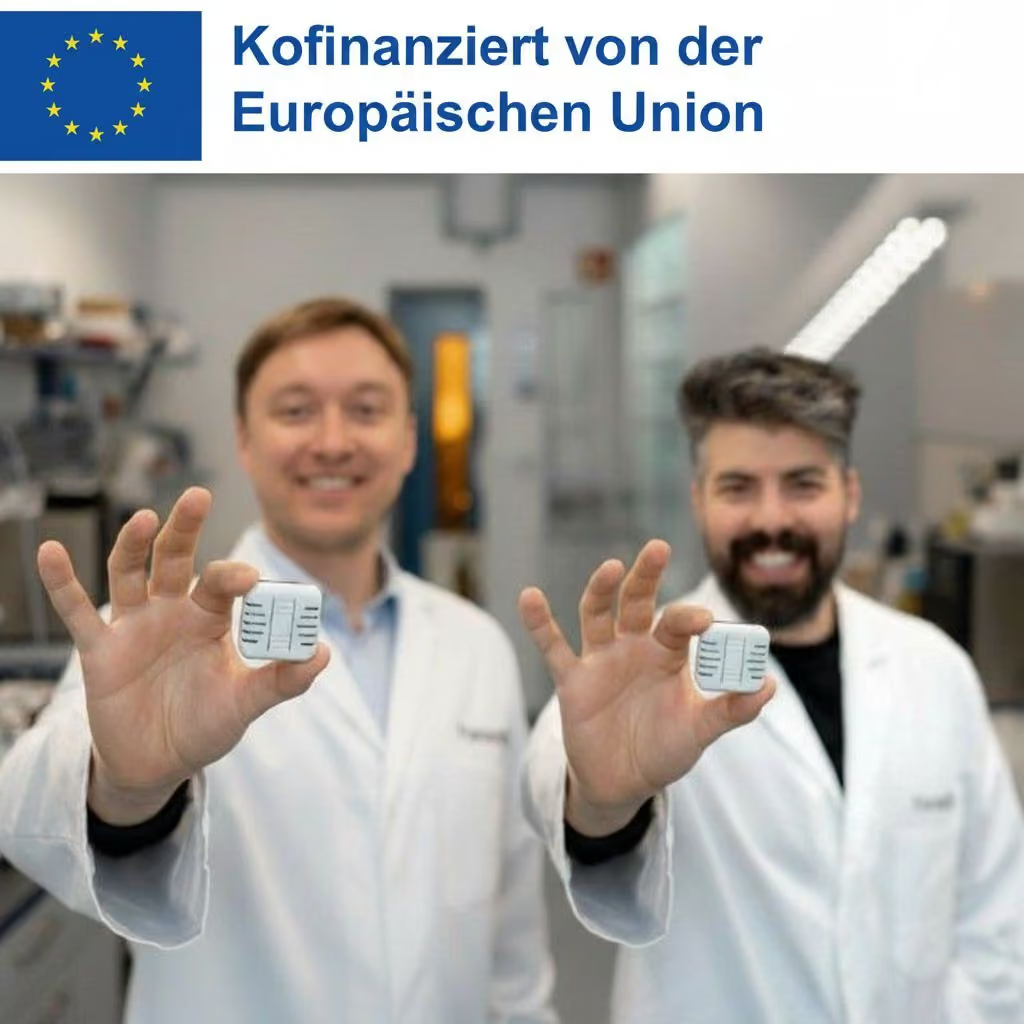
Modified Atmosphere Packaging stands as an innovative solution in prolonging the shelf life of perishable foods. However, the success of MAP hinges significantly on precise oxygen measurement and regulation. Systems based on Faradaic Sensors Technology enable close monitoring and adjusting oxygen levels. Thus, the food industry can ensure product freshness, safety, and contribute to sustainable practices, ultimately benefiting both businesses and consumers alike.