



Why oxygen is important
The Risk: In both clinical care and bioprocessing, oxygen is the definitive variable for life; undetected fluctuations can trigger acute respiratory distress in COPD patients or metabolic failure in microbial cultures, leading to catastrophic health outcomes or the loss of entire pharmaceutical batches.
The Market Barrier: Despite the critical need for continuous oversight, high-fidelity oxygen monitoring remains unfeasible at scale because current sensors are too bulky, expensive, and intrusive for seamless integration into wearables or high-density bioreactors.
The Technical Gap: Legacy sensors fail the requirements of modern care and biotech: their sluggish response times make real-time analysis of breath or metabolism impossible, while their high power draw and liquid electrolytes demand heavy batteries and risk contamination.

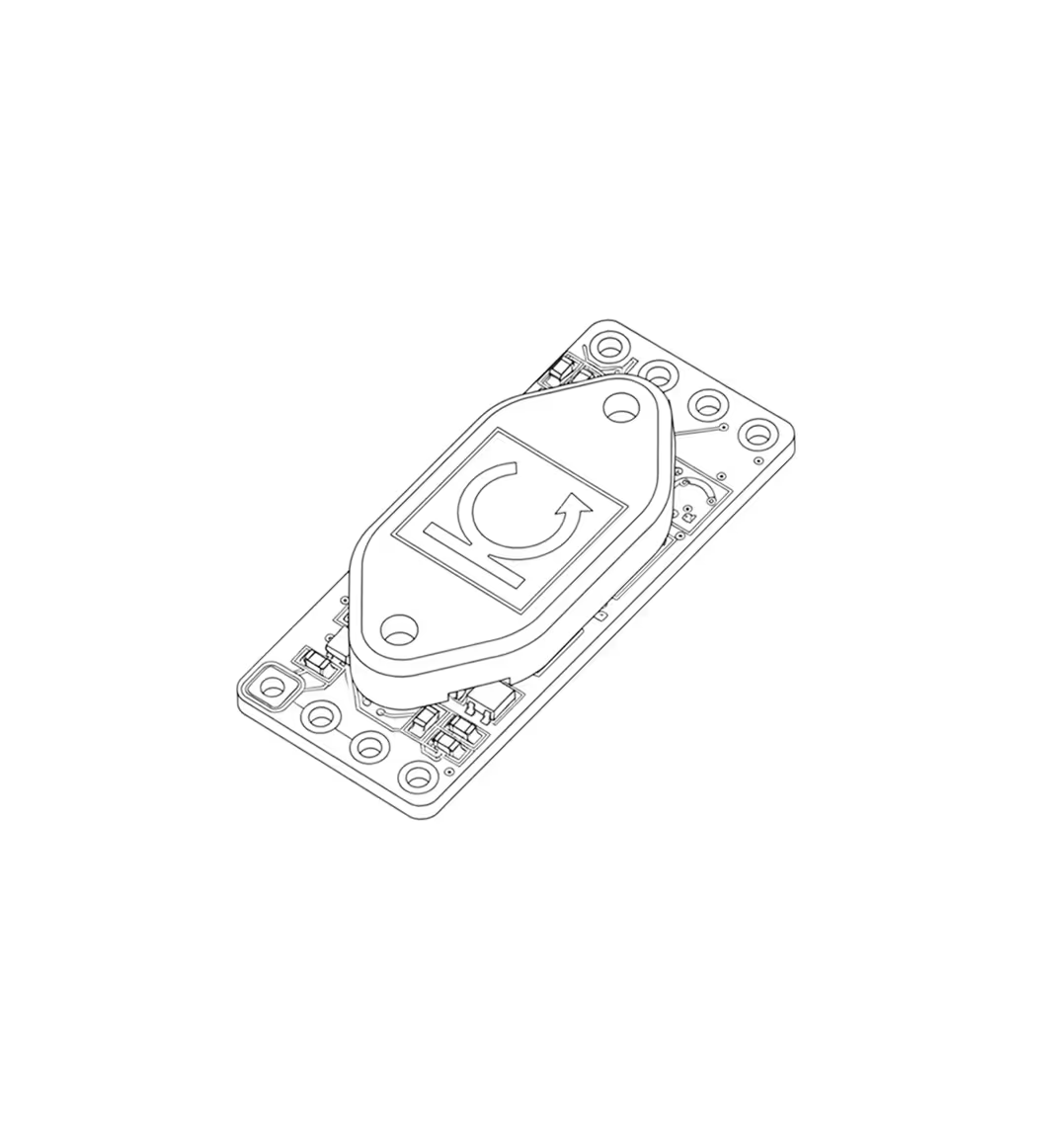

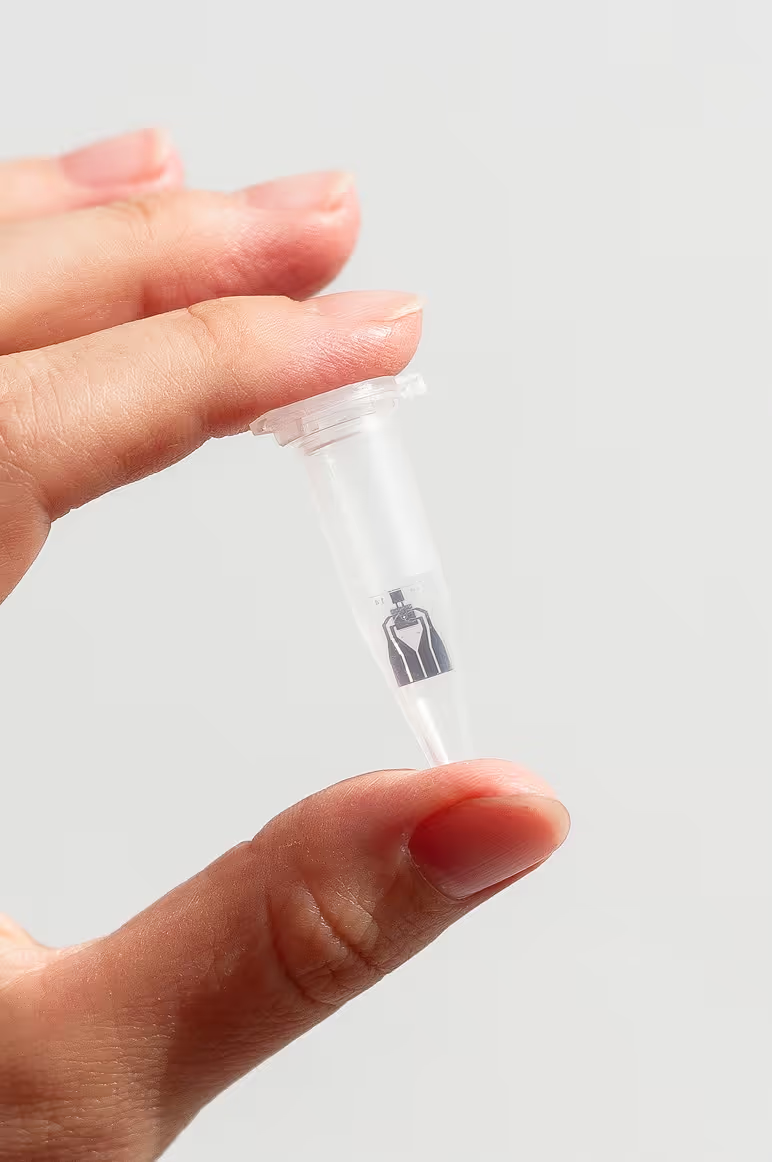


Accuracy you can trust, form factors you couldn’t build before

Unlock new device concepts
.avif)
Reduce maintenance and calibration overhead.

Enable new portable solutions that were previously impossible.
Unlock new device concepts
Reduce maintenance and calibration overhead.
Enable new portable solutions that were previously impossible.
Proof points

Why is monitoring respiration important in medical & biotech applications?
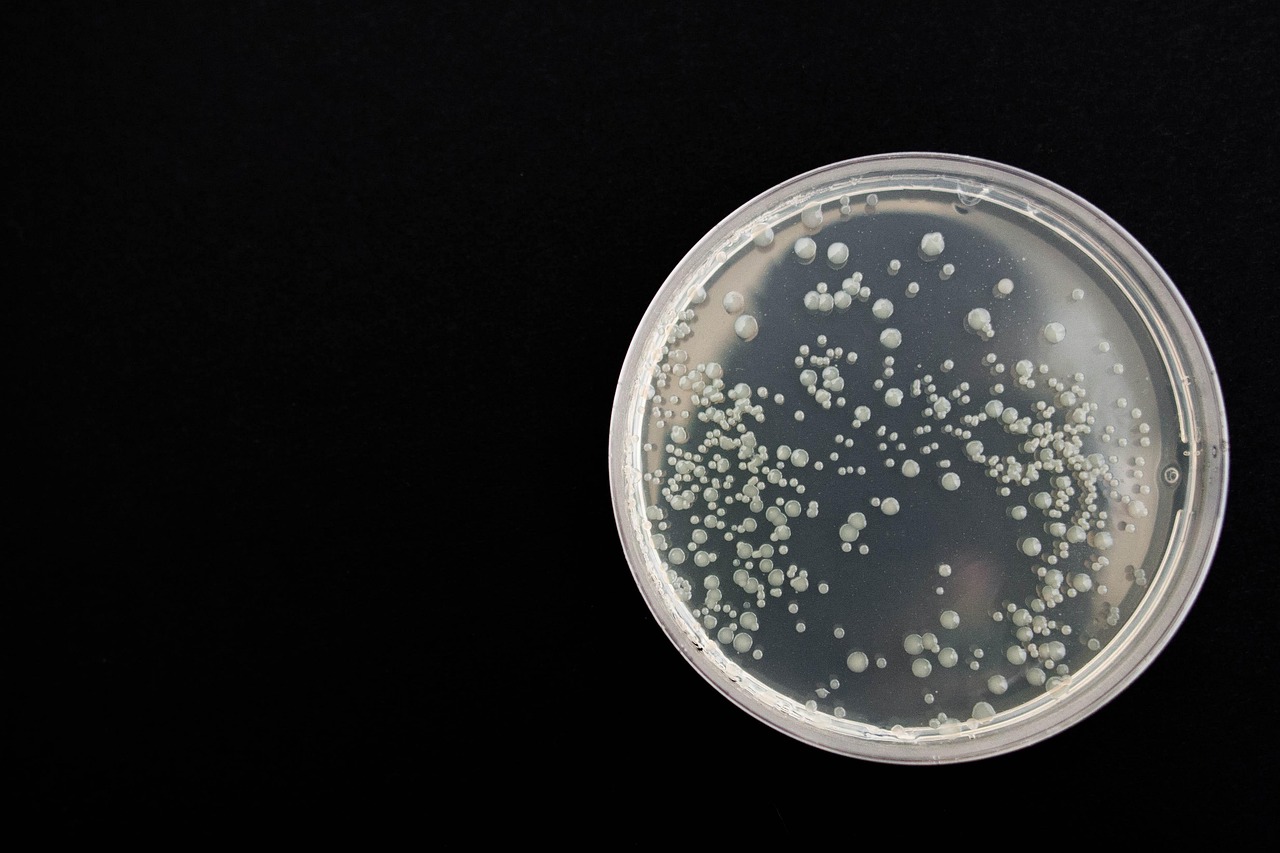
Respiratory monitoring is vital because it provides accurate biometric data regarding a user's respiratory health, metabolism, and athletic performance. By analyzing exhaled O₂ concentrations, individuals can monitor lung diseases like COPD and obtain precise data on how their body burns calories. Furthermore, exhaled breath contains a wealth of data that can potentially be used to diagnose cancer and check physiological stress levels. In biotechnology, these miniaturized sensors are essential for biochemistry applications and monitoring incubation chambers where precise gas regulation is required. This technology allows for the real-time tracking of biological conditions, facilitating specialized bio-environments such as those needed for microorganism cultivation, cell culture, and fermentation. Additionally, these chips enable optimized gas control for indoor farming and food storage to maintain process integrity and prevent spoilage
Why are smaller oxygen sensors so important for medical device applications?
Miniaturized oxygen sensors enable the creation of wearable medical devices that were previously impossible to develop due to the bulk of legacy sensors. This portability is vital for the 250 million global COPD sufferers and post-surgery patients who require continuous biometric monitoring during their daily lives. These microchips provide significantly faster response times, which enables mainstream monitoring and eliminates the need for the bulky pumps, sampling chambers, or side-stream lines used in stationary medical equipment. Consequently, these smaller sensors allow for sleeker, battery-operated portables that improve patient quality of life through real-time health tracking.