


Why oxygen is important
The Risk: Food preserved in inert atmospheres remains fresh only while oxygen levels are strictly controlled; undetected packaging failure triggers rapid spoilage mechanisms, from microbial growth to oxidative rancidity, that compromise safety and market timing.
The Market Barrier: Despite the need for early intervention, protecting billions of bulk food packages is currently unfeasible, as standard oxygen detection methods are too manual, bulky, and expensive for high-volume automated integration.
The Technical Gap: Existing oxygen sensor technologies rely on toxic and corrosive materials like lead or sulfuric acid, and require high-capacity batteries that are fundamentally unsafe and cost-prohibitive for food-grade monitoring.




Increase your margin by saving on waste.
Boost your revenue by timing the market.
.avif)
Predict supply chain issues before they hit the shelf.

Reduce recalls and regulatory risk.

Unlock data for predictive analytics.
Predict supply chain issues before they hit the shelf.
Reduce recalls and regulatory risk.
Unlock data for predictive analytics.
Proof points

Why are oxygen sensors important for food preservation?
Nearly all food in the world, from berries and avocados to baby formula and seeds, are either transported or stored under a modified, non-standard atmosphere at some stage in the supply chain. By not removing oxygen, dried foods undergo oxidation & become rancid, while living foods respire and eventually spoil. Oxygen contorl is fundamental to our food supply chain.
What oxygen concentration is ideal for food preservation?
For dried products, 0.1% to 1% oxygen is common, while for fruits & vegetables, the amount of oxygen depends on the product in question; but generally between 1% and 10%.
Why is measuring oxygen in packaging, pallets, or storage warehouses important?
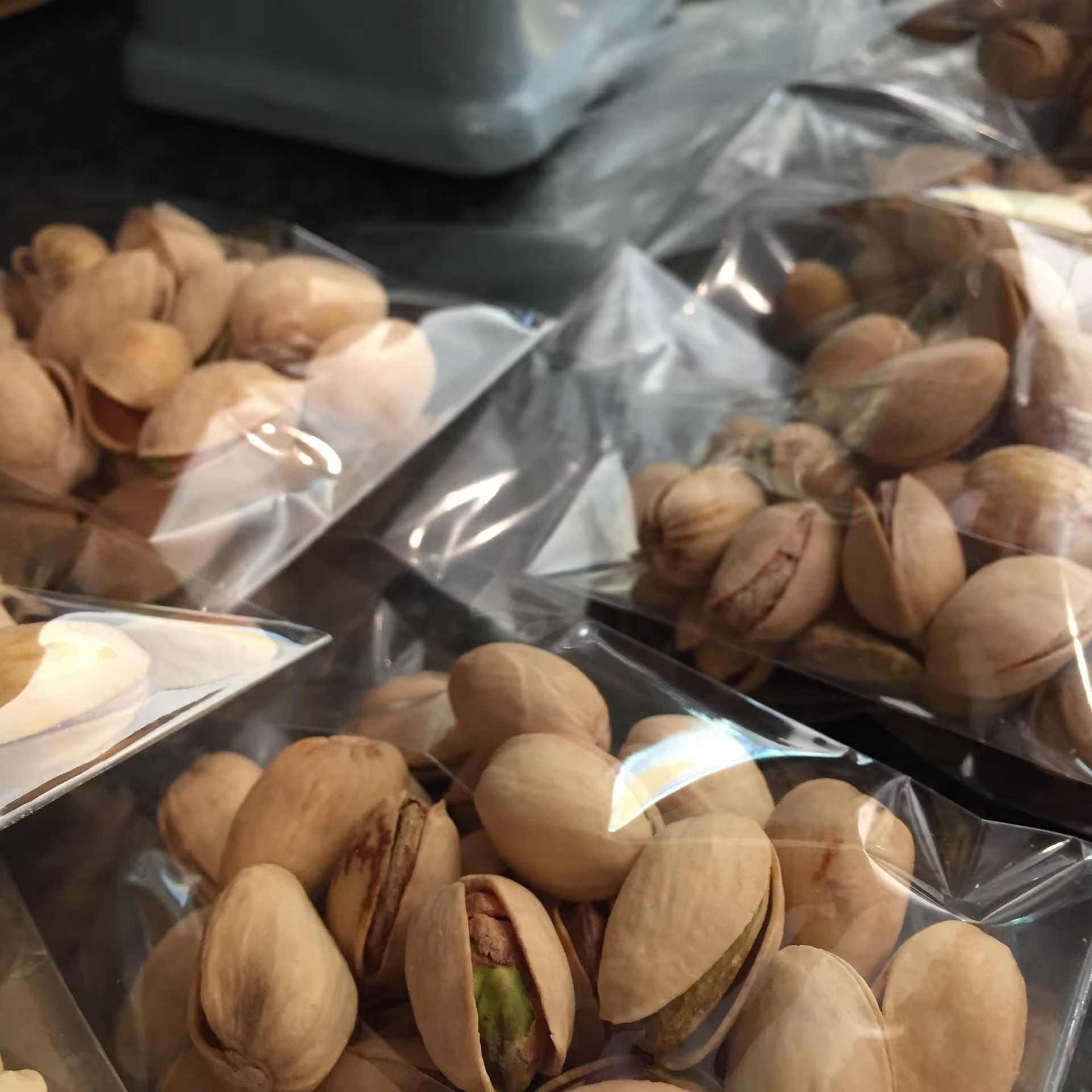
For dried products like nuts and seeds, oxygen measurement is vital to verify the integrity of nitrogen-flushed packaging, as even a small leak can lead to rapid oxidation and total product spoilage. Similarly, for fresh produce, ventilation systems must monitor oxygen levels to maintain a precise atmospheric balance that slows ripening while preventing anaerobic fermentation and off-flavors. By keeping oxygen within an ideal range, these systems ensure the produce remains dormant to maximize shelf life and nutritional value. Additionally, real-time tracking acts as an early warning system, where a sudden drop in oxygen levels can signal microbial outbreaks or spoilage before they become visible. Ultimately, consistent oxygen monitoring across both dry and fresh goods is essential for millions of packages globally to protect inventory and reducing waste throughout the global supply chain.
How does Faradaic technology push frontiers in food preservation?
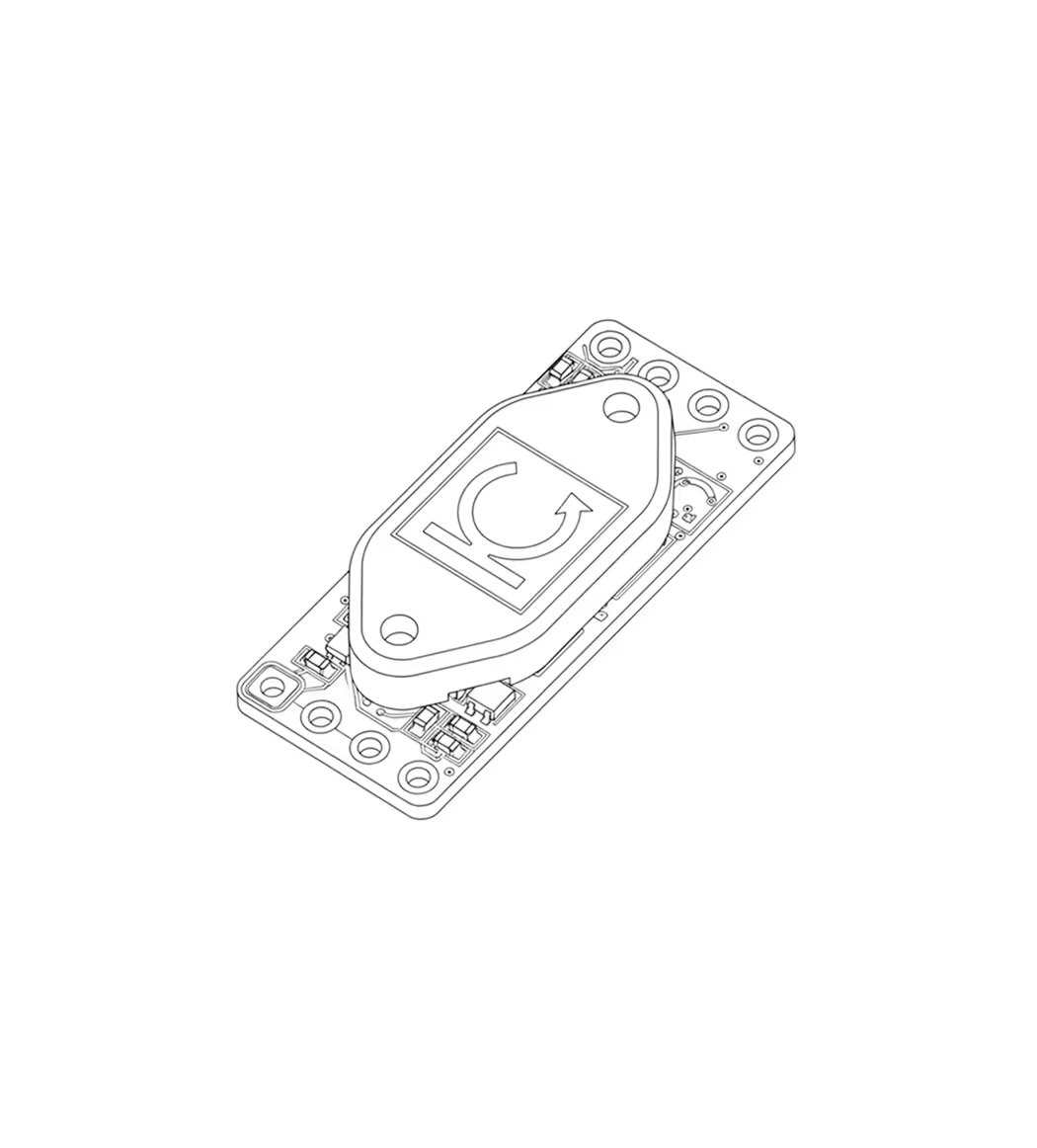
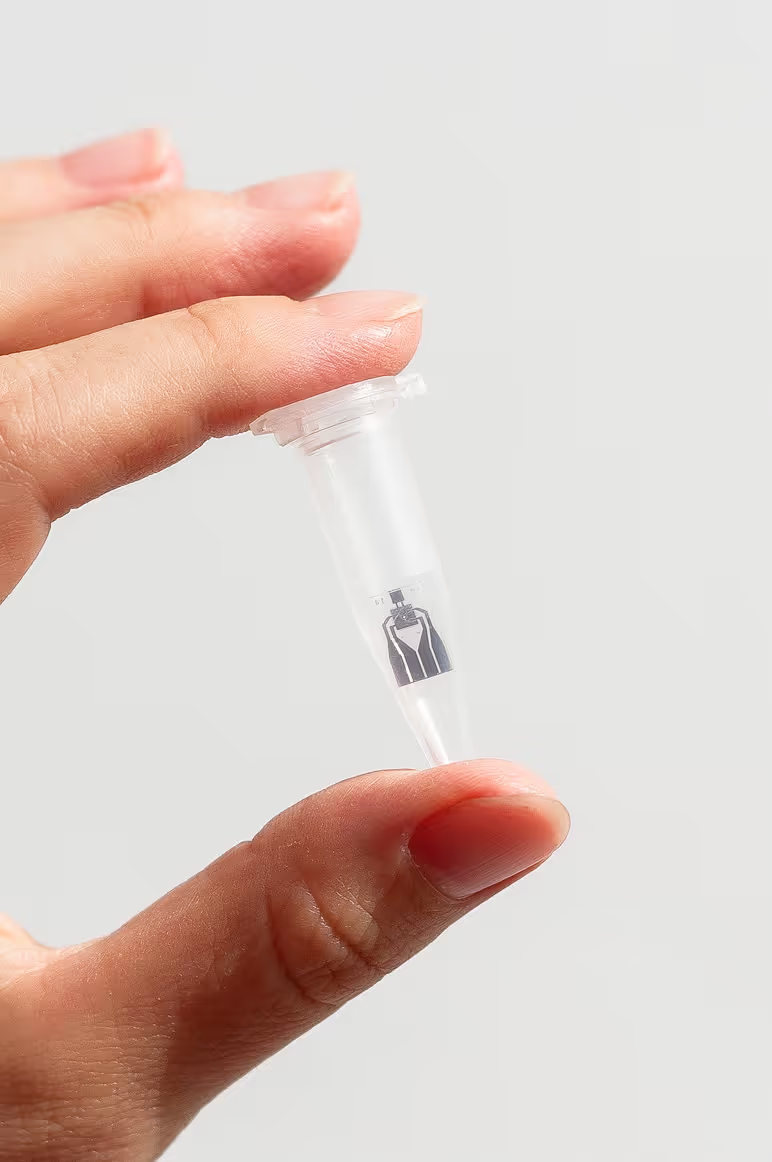
Faradaic technology is redefining the landscape of food preservation by overcoming the logistical hurdles that have long hindered comprehensive supply chain monitoring. Historically, oxygen sensors have been too large, expensive, and power-hungry for widespread deployment, restricting their use to high-value storage or specific transit hubs where their bulky integration could be justified. Our breakthrough in sensor miniaturization disrupts this model, enabling seamless integration from bulk packaging and warehouses, down to the single-food-packaging level through innovative designs that transform every individual package into a verifiable, data-rich asset. By collaborating with partners on custom sensor integration and developing our own proprietary solutions, we provide our clients with the most scalable and sophisticated oxygen sensing technology available. This shift from localized monitoring to granular, package-level oversight ensures total visibility, drastically reducing waste and pushing the frontiers of global food safety.