


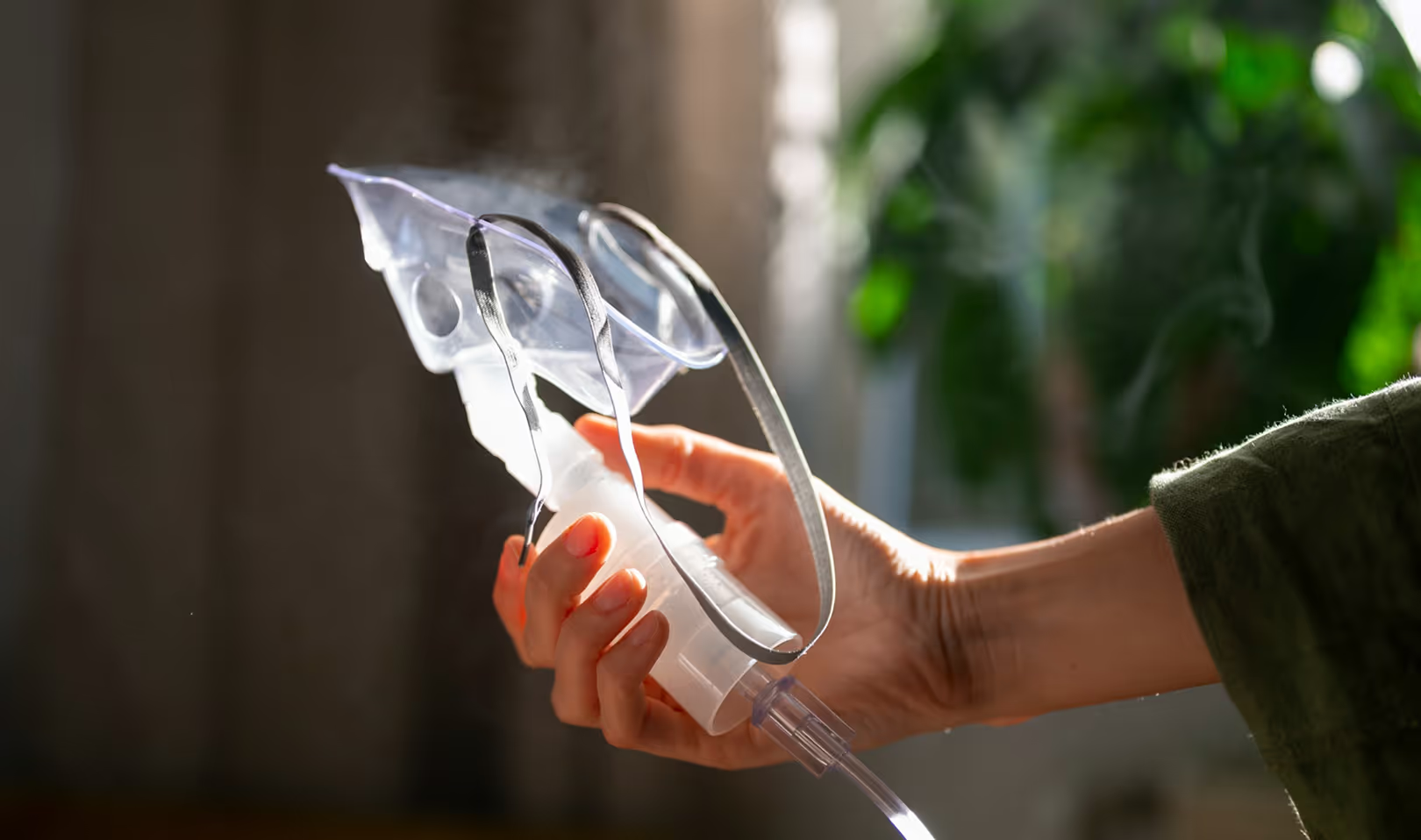
Breath analysis, a field at the intersection of science and healthcare, has emerged as a non-invasive, promising tool for disease detection, monitoring, and overall health assessment. The unique composition of exhaled breath contains a myriad of volatile organic compounds (VOCs), providing valuable insights into an individual's physiological state and aiding in the diagnosis and management of various health conditions.
What Is in Exhaled Breath?
The human breath is a complex mixture of gases, comprising nitrogen, oxygen, carbon dioxide, water vapor, and trace amounts of VOCs. These VOCs are organic chemicals released from metabolic processes within the body, and their presence, absence, or altered concentrations can serve as biomarkers for specific diseases or health conditions.
Applications in Disease Detection
One of the most well-known applications of breath analysis is in the realm of respiratory diseases, such as asthma, chronic obstructive pulmonary disease (COPD), and lung cancer. Monitoring VOC profiles in exhaled breath can assist in early detection, disease progression assessment, and treatment response evaluation for these conditions. Furthermore, breath analysis extends beyond respiratory health. It holds promise in detecting systemic disorders like diabetes, liver disease, kidney malfunction, and even certain types of cancer.
The Non-Invasive Advantage
The non-invasive nature of breath analysis makes it an attractive option for healthcare. Unlike traditional diagnostic methods that may involve invasive procedures or blood tests, breath analysis offers a painless, rapid, and convenient way to gather information about an individual's health status. This approach holds particular promise for pediatric and elderly patients, reducing discomfort and enhancing compliance with health monitoring routines.
Technology and Future Directions
As technology advances, portable and user-friendly breath analysis devices are becoming more accessible. These tools empower healthcare providers to conduct on-the-spot assessments, enabling faster diagnoses and timely interventions. However, challenges persist in standardizing protocols and establishing universally accepted reference ranges for VOCs. Collaborative efforts between researchers, healthcare practitioners, and technology developers are essential to overcome these challenges and unlock the full potential of breath analysis in healthcare.